
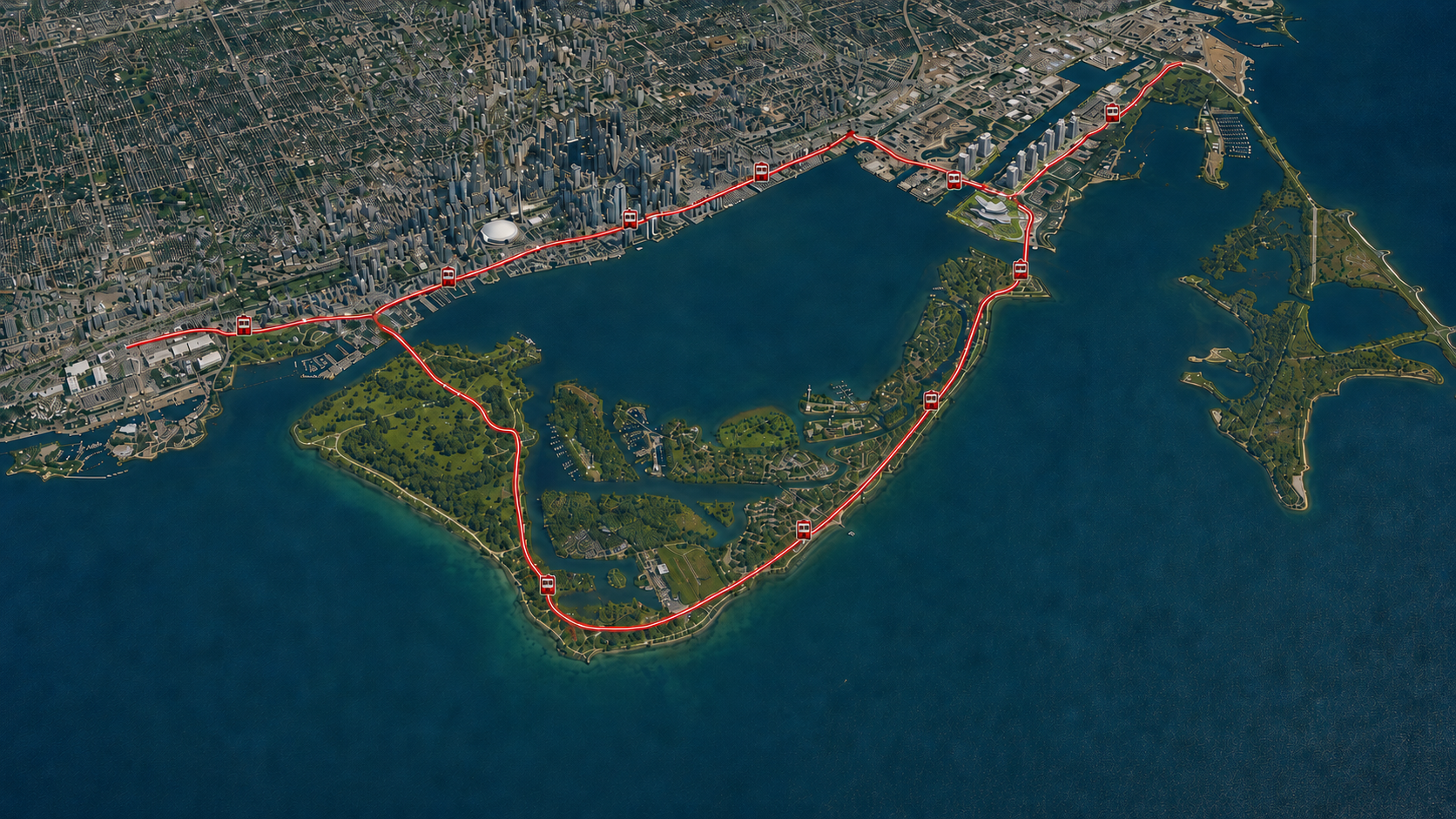
Toronto Has Only One Downtown Harbour.
Air travel can be served elsewhere. Toronto's harbour cannot be moved, recreated or replaced.
Conceptual visualization
On Friday, July 24, 2026, Canadian Minister of Transport Steven MacKinnon announced that Ottawa would not pursue the Ontario government’s proposed expansion of Billy Bishop Airport.
Nevertheless, it was not an unconditional rejection. Mr. MacKinnon said ”at this stage.” That statement has caused consternation and uncertainty. It leaves the possibility that a future government, or even the current government, could overrule the decision before the Tripartite Agreement governing the airport expires on Dec 31, 2045.
Before Toronto commits the centre of its harbour to aviation for another generation, it needs to ask a fundamental question:
What is the highest and best use for its harbour?
Billy Bishop Airport Is Valuable. But It Is Not Irreplaceable.
Billy Bishop provides downtown convenience, regional air service and important aviation functions.
But those are transportation functions. And they can be provided through Pearson, regional airports, better ground transportation, high-speed rail and other aviation facilities.
Toronto's harbour is different.
Its location, relationship to downtown, Islands, Port Lands, skyline and lake CANNOT be replicated anywhere else.
Transportation can adapt to geography. Geography cannot adapt to transportation.
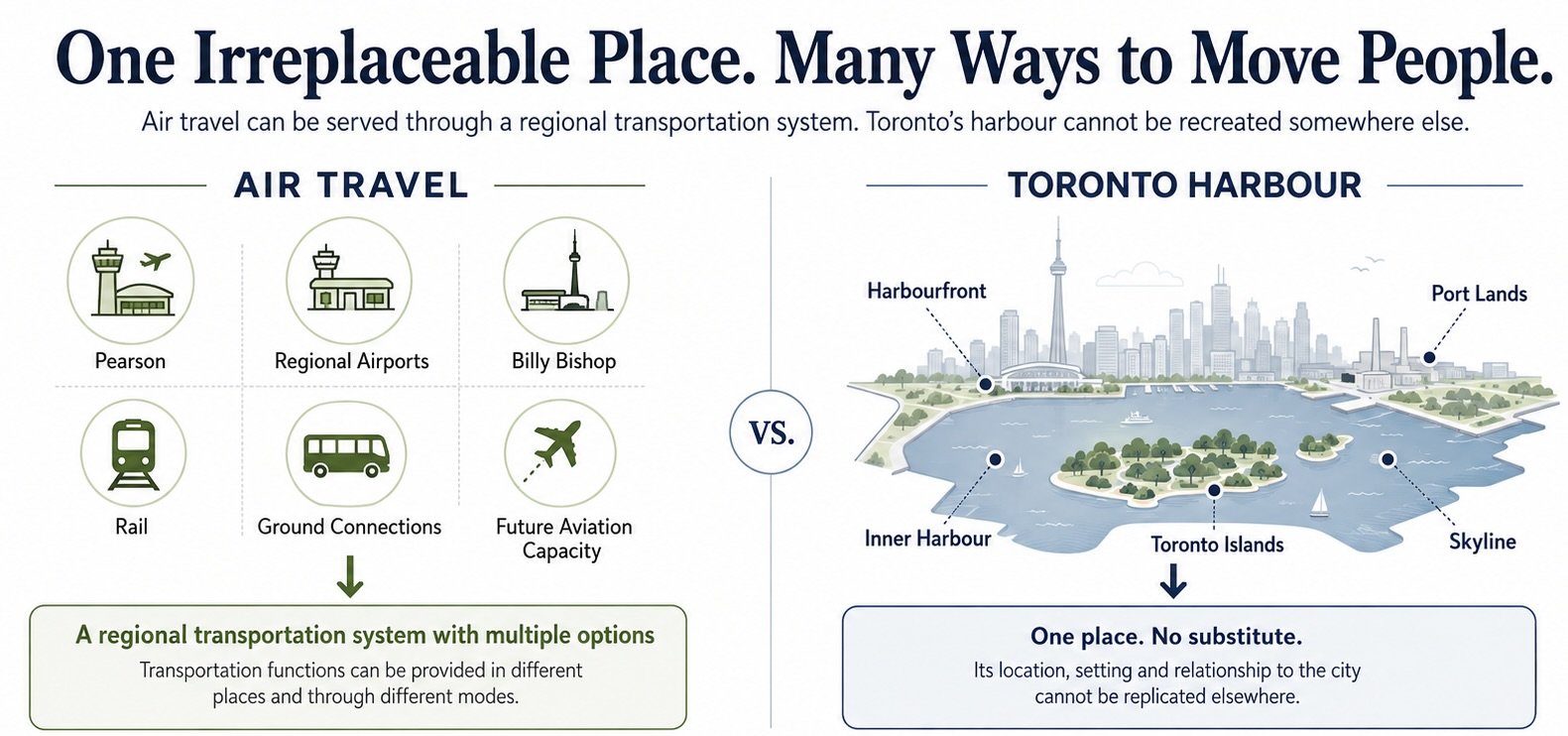
What Is the Highest and Best Use of Toronto's Harbour?
It’s a question of opportunity cost; every long-term use of scarce public land prevents other uses.
The proper comparison is therefore not:
Billy Bishop Airport versus nothing.
It is:
Billy Bishop Airport versus the best future for Toronto's harbour.
A valuable use (such as an airport) is not necessarily the highest and best use.
Imagine Somthing Different: Toronto's Harbour as One Connected Place.
Harbourlands proposes doing exactly that.
It imagines what could be possible if Toronto planned its harbour as a whole—connecting Exhibition Place, Harbourfront, the Toronto Islands, the Port Lands and Tommy Thompson Park into a continuous, year-round waterfront destination.
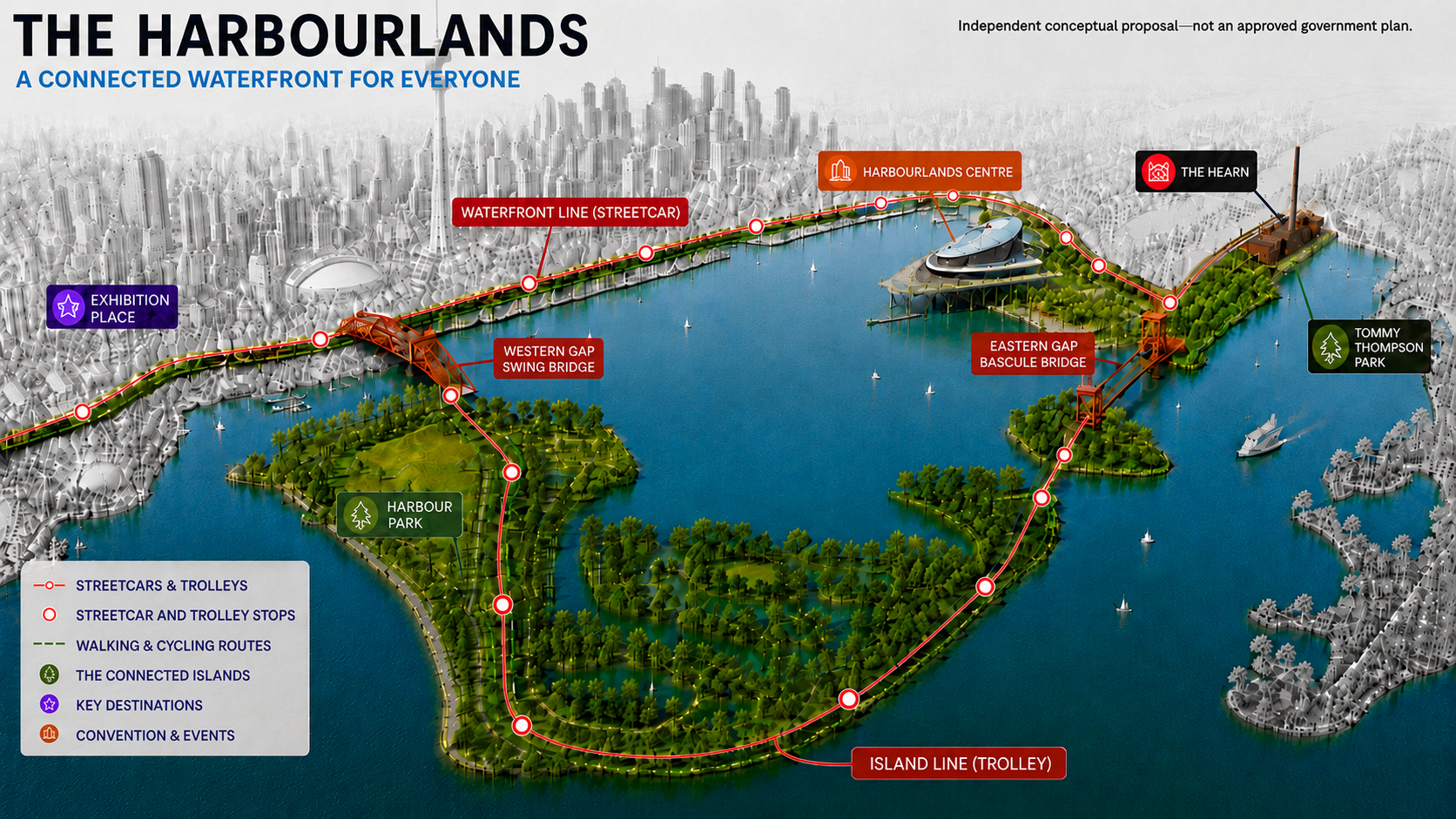
Harbourlands is not a finished master plan. It’s a proposal — one possible answer to the highest-and-best-use question.
Harbourlands
What Toronto’s Harbour Could Become
One Connected Waterfront Experience for Everyone.
Public Life and Quality of Life
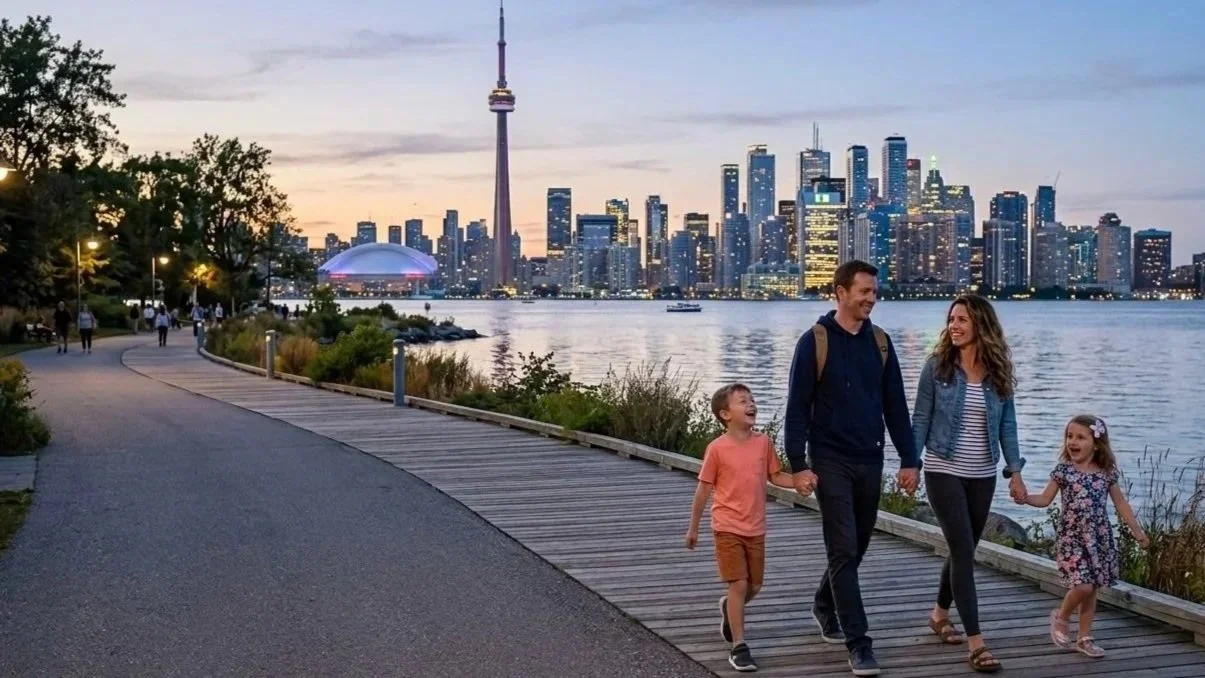
A waterfront for everyday life.
Connectivity and Accessibility
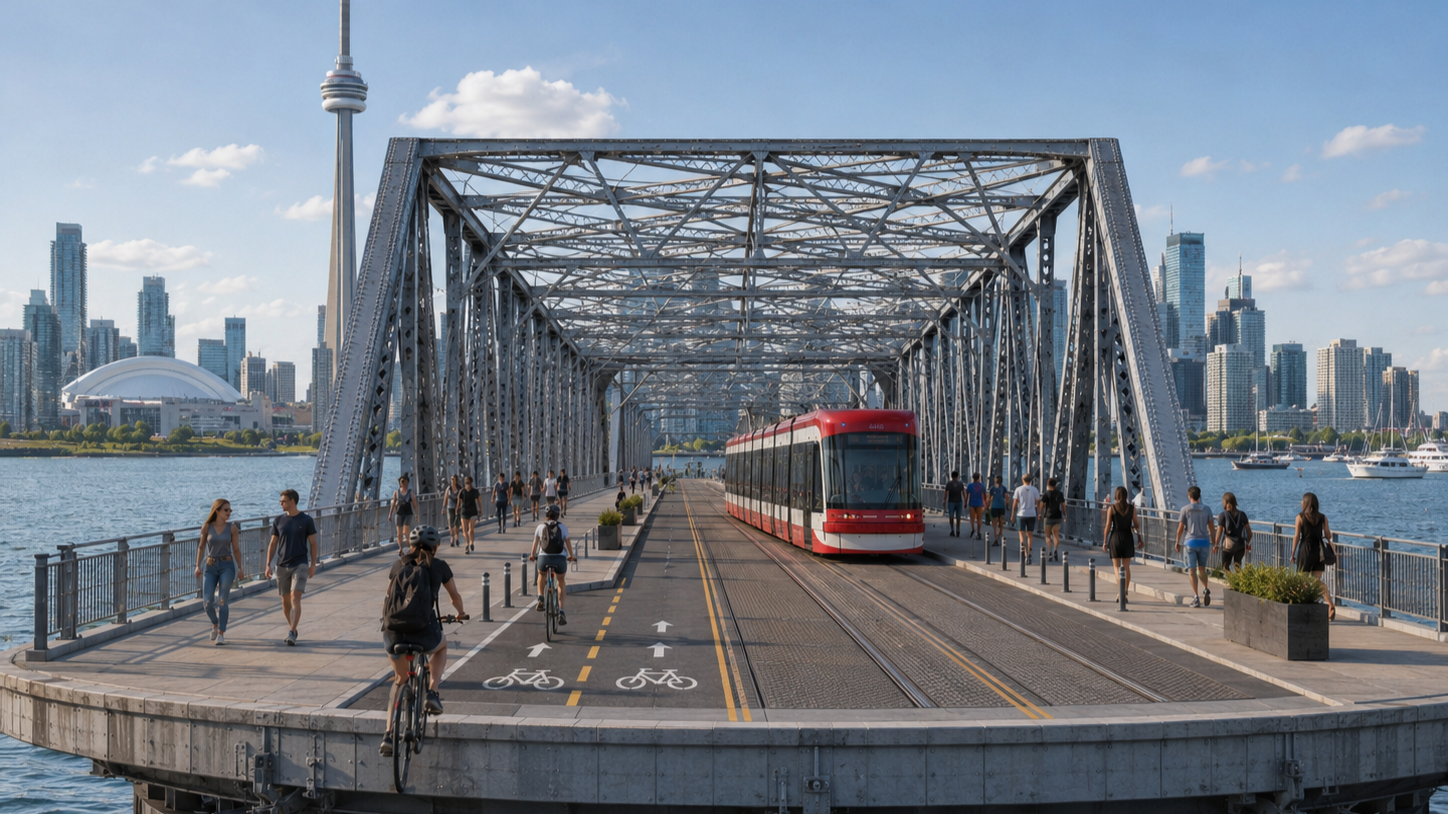
A harbour linked by transit, walking and cycling.
Economic and Visitor Value
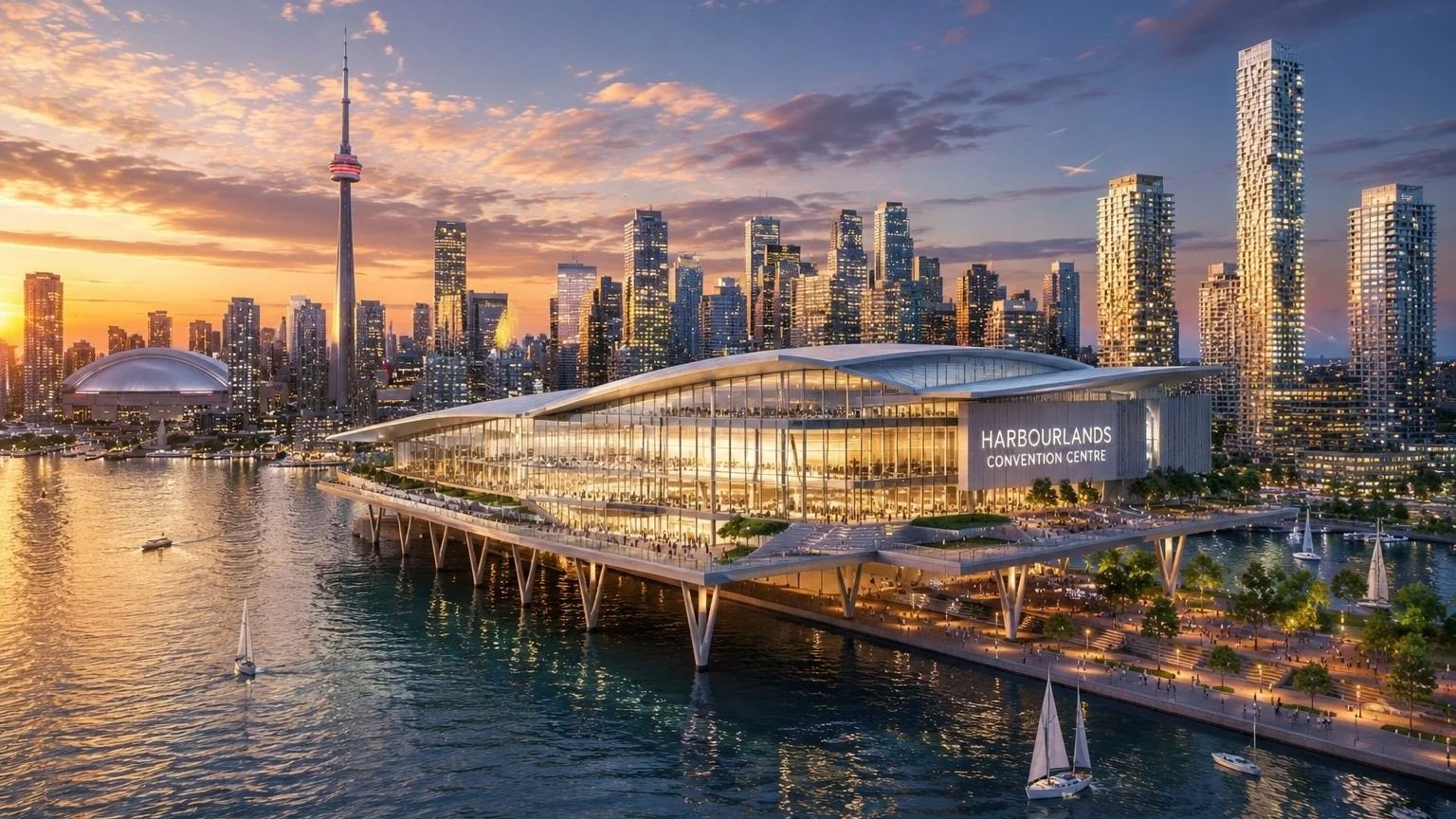
A global destination that the world wants to experience.
The problem isn't simply what Billy Bishop Airport occupies.
It is what its location prevents the rest of Toronto’s harbour from becoming.
Connected Waterfronts Generate Revenue.
Chicago generates more than three times Toronto's annual tourist revenue. Millennium Park, alone, is in the top ten tourist destinations in the United States. Its Lakefront Trail connects its entire lakefront.
Chicago demonstrates what can happen when parks, beaches, cultural attractions, hotels, convention facilities and transportation are connected as one waterfront destination.
The lesson for Toronto is simple: connection earns revenue.
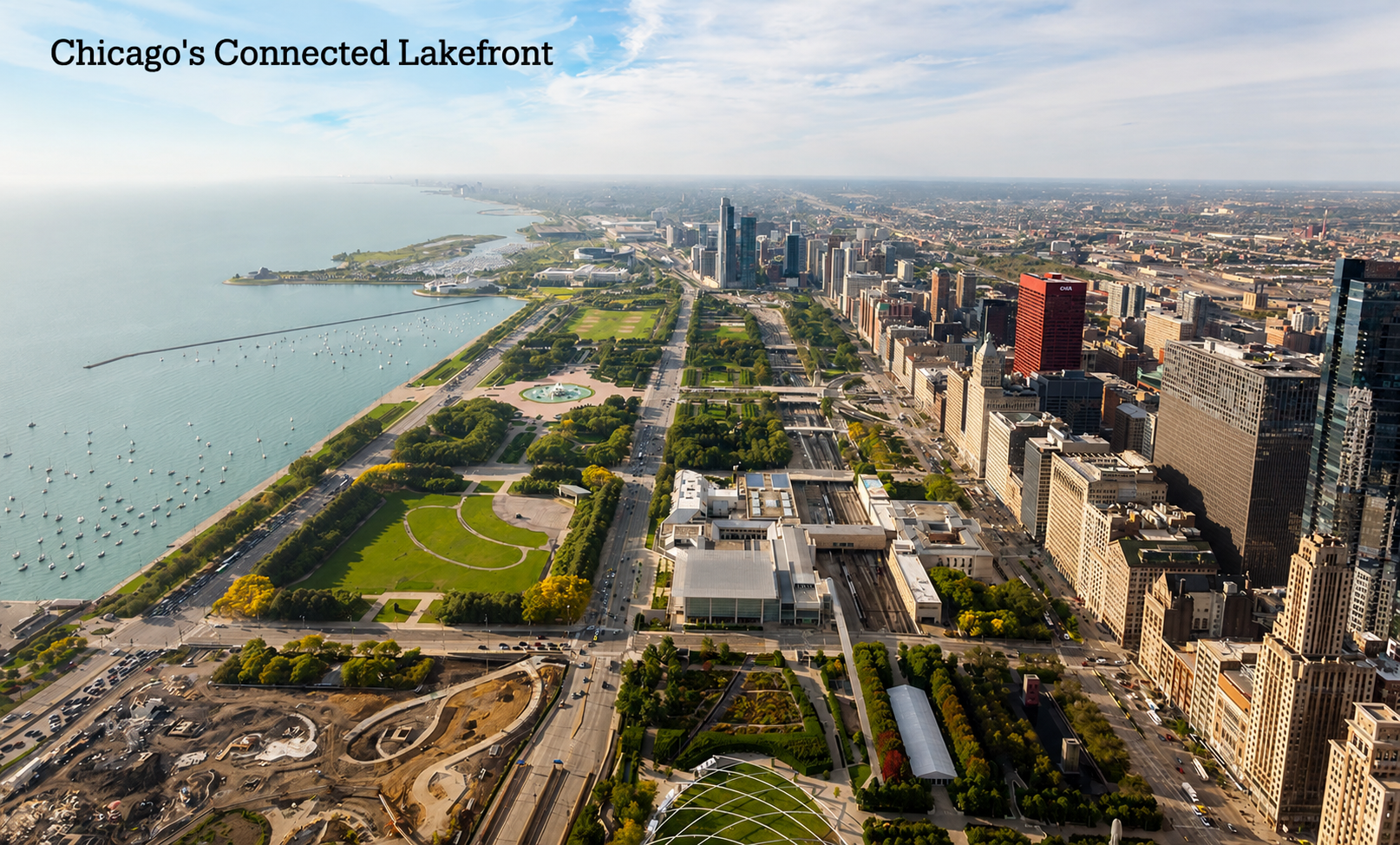
Toronto has something even better
The Setting Is the Attraction.
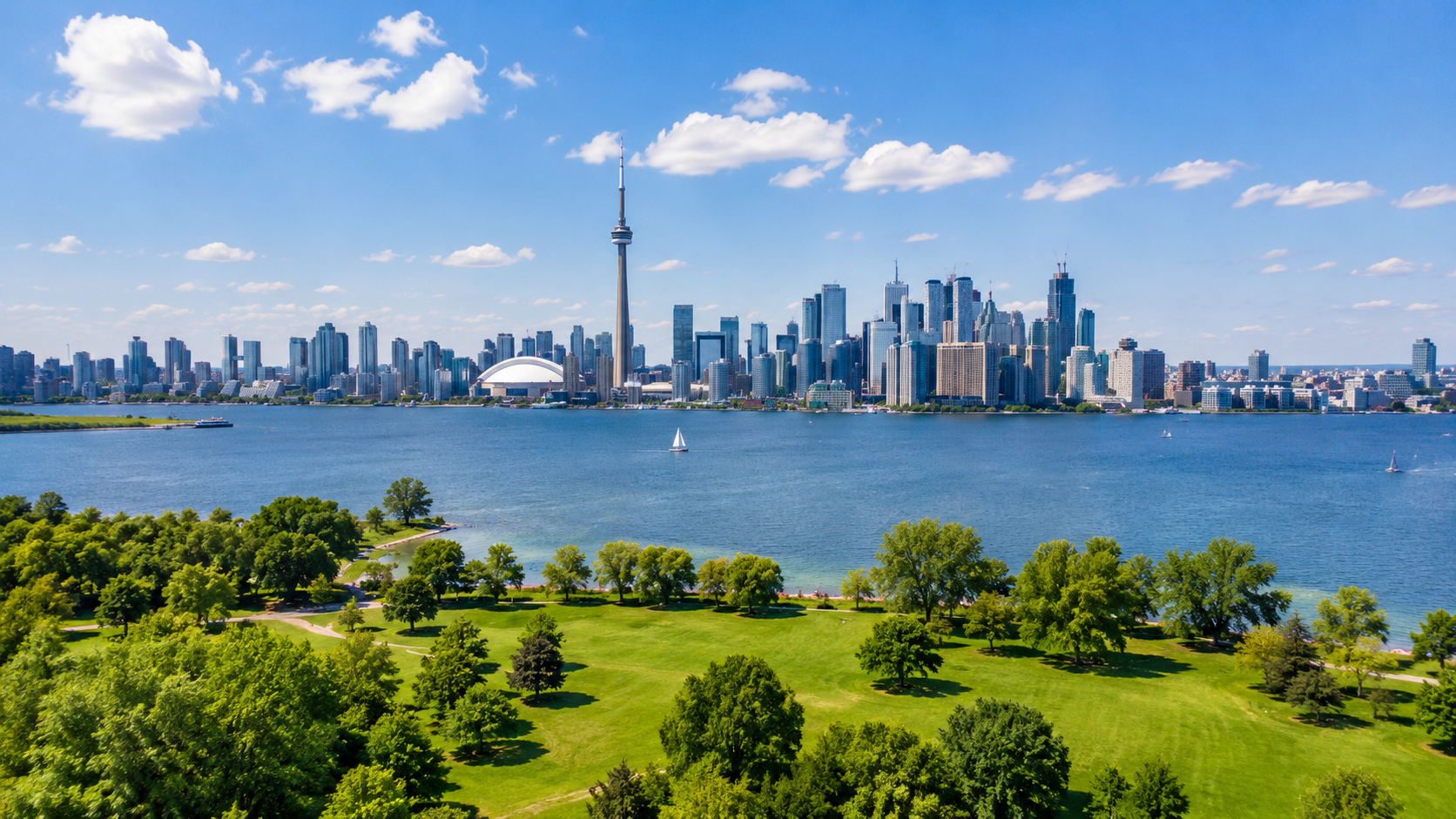
Toronto has something other cities spend billions trying to create.
It is blessed with an extraordinary natural setting beside its iconic downtown core, with water, islands, a skyline, and hundreds of acres of emerging waterfront land.
Connecting those assets could become a defining tourist and economic development strategy not only for Toronto, but also for Ontario and Canada.
2045 Is the Final Decision Point, but the Planning Point is Now.
The Tripartite Agreement governing Billy Bishop Airport expires at the end of 2045. It could end even sooner if the three parties override it.
2045 may sound distant. But decisions about airports, transportation, parkland and major waterfront infrastructure require years of study, consultation and planning, for the pieces to be put in place.
This is why Toronto should determine the highest and best use of its harbour NOW, well before the projects currently shaping its future are implemented.
Before We Decide, Let’s Measure the Opportunity
Toronto should undertake an independent Net Public Benefit Study of the harbour's highest and best use—well before making long-term decisions about Billy Bishop Airport.
The study should compare:
Economic value · Aviation and transportation · Public realm · Tourism · Environment · Housing and city-building · Opportunity cost
Toronto Has Only One Harbour.
Air travel will continue to evolve. Airport capacity can be created elsewhere. Transportation networks can change. New rail lines can be built. New technologies will emerge.
But Toronto will never have another downtown harbour.